Wednesday, November 25, 2026Under the lens

Sérgio Cabral: the trail of the US$100 million, Adriana Ancelmo’s jewels and the convictions that survive in 2026

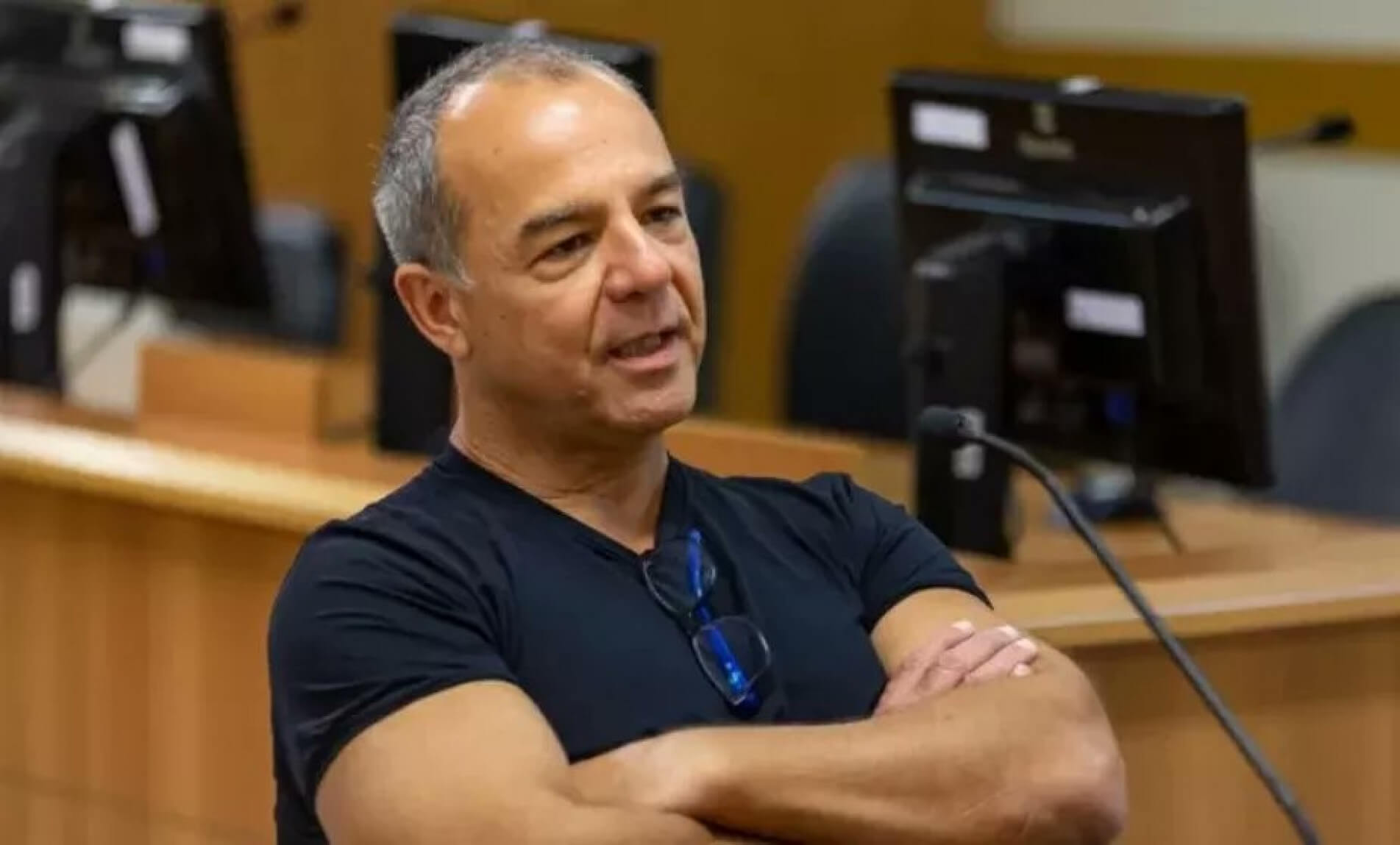
Sérgio Cabral

Sérgio Cabral governed Rio de Janeiro between 2007 and 2014 and is the politician with the most accumulated years in sentences in this entire series. The Brazilian press adds up more than 400 years in some twenty proceedings. However, this piece does not follow the sentences, but the money. In 2019 Cabral admitted holding US$100 … Read more about Sérgio Cabral: the trail of the US$100 million, Adriana Ancelmo’s jewels and the convictions that survive in 2026

Ollanta Humala: the trail of the Venezuela and Odebrecht contributions, the 57 donors who denied paying and what the Constitutional Court left unpunished

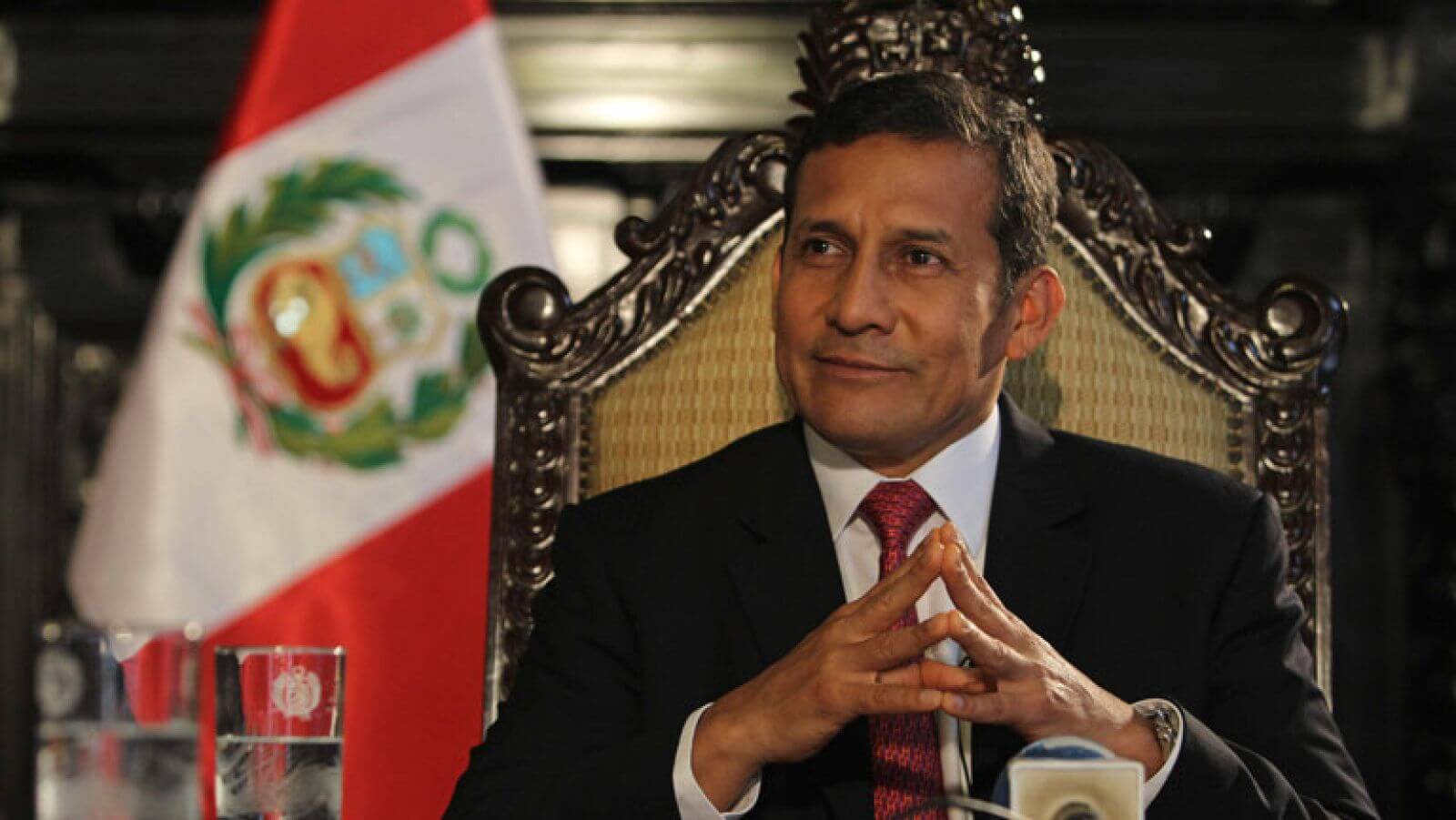
Ollanta Humala

Ollanta Humala governed Peru between 2011 and 2016. In April 2025 he became the third former Peruvian president sentenced to prison over facts linked to Odebrecht. Fifteen months later, the Constitutional Court annulled the entire proceedings. This piece does not follow the sentence, but the money. It reconstructs which contributions the courts traced for the … Read more about Ollanta Humala: the trail of the Venezuela and Odebrecht contributions, the 57 donors who denied paying and what the Constitutional Court left unpunished

José López: the trail of the US$9 million from the convent, the bundle that travelled from New York and the assets the State kept

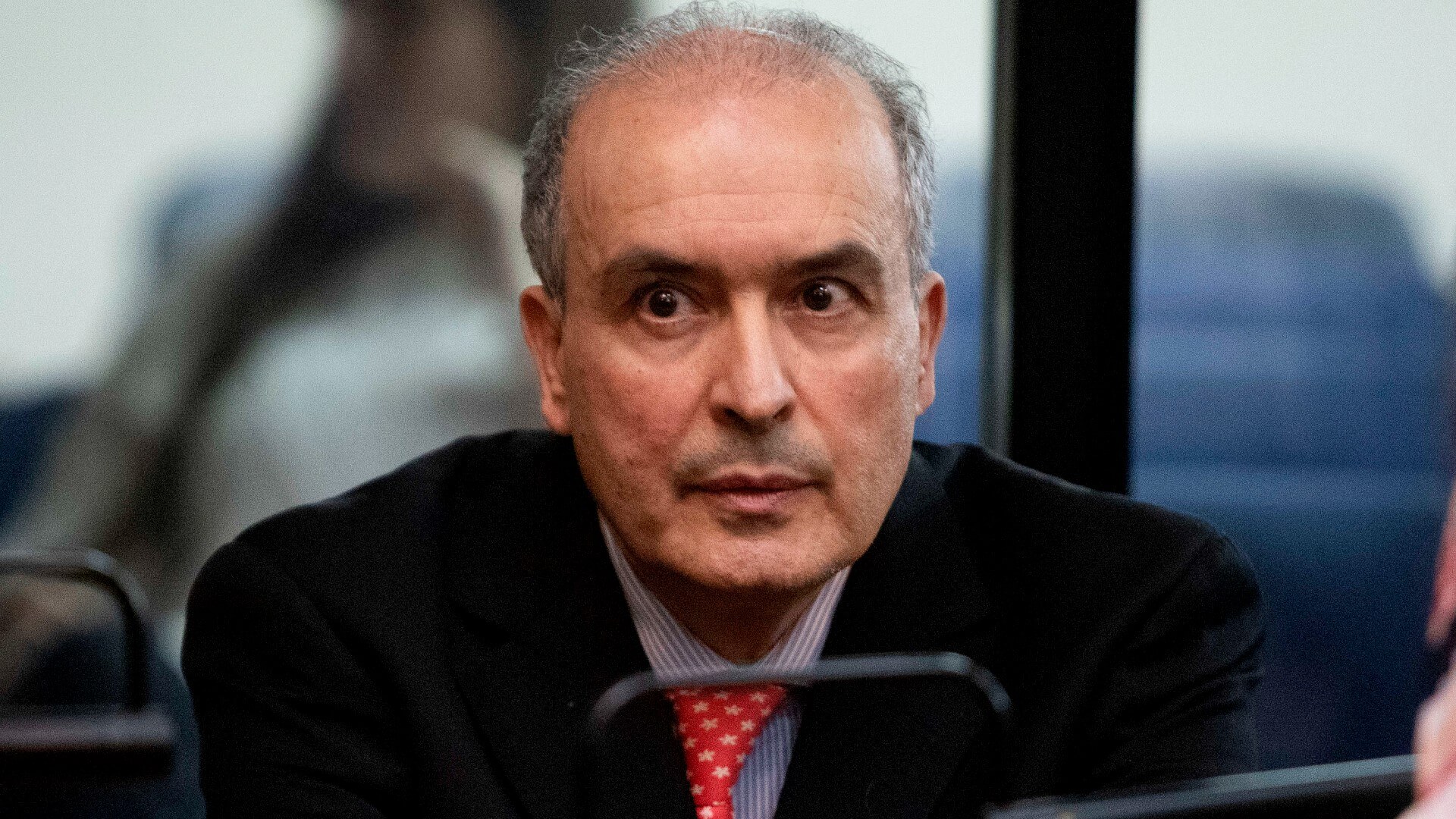
José López

José López was Argentina’s Secretary of Public Works between 2003 and 2015, under Néstor Kirchner and Cristina Fernández. In the early hours of 14 June 2016, a convent’s cameras filmed him throwing bags containing almost US$9 million, jewellery and a weapon. That image is the best-known of recent Argentine corruption. However, this piece does not … Read more about José López: the trail of the US$9 million from the convent, the bundle that travelled from New York and the assets the State kept

Roberto Prieto: the trail of Odebrecht’s million dollars, the 650 million pesos of Ruta del Sol III and the posters the construction company paid for in 2010

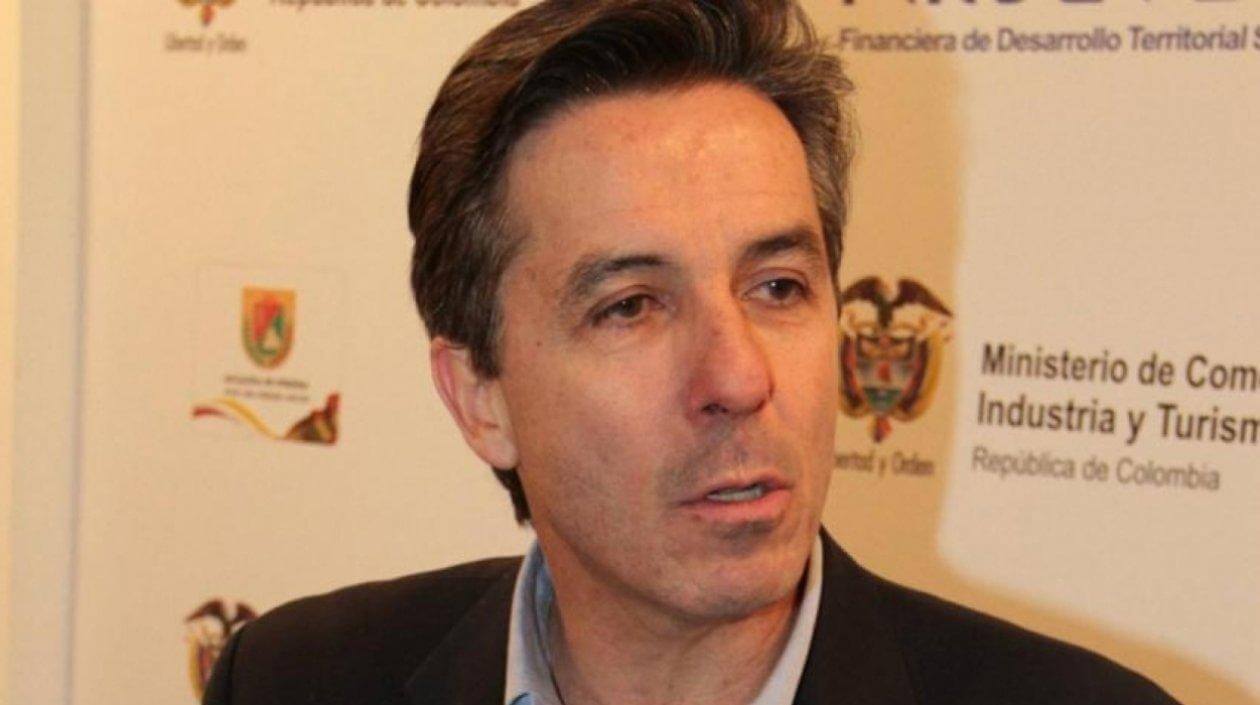
Roberto Prieto

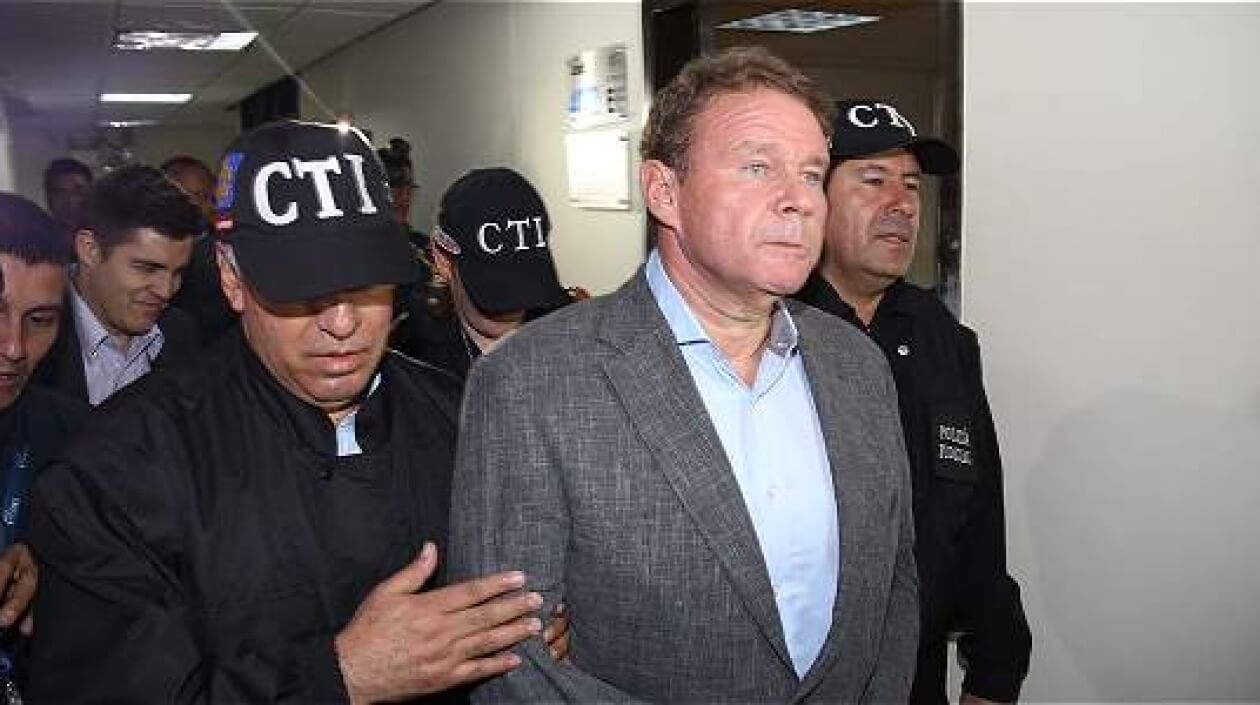
Roberto Prieto was the manager of Juan Manuel Santos’s re-election campaign in 2014. He is one of the Colombian political operators with the most judicial fronts over Ruta del Sol. This piece does not follow the sentences, but the money. It reconstructs three distinct flows. The million dollars that Odebrecht paid to the 2014 campaign … Read more about Roberto Prieto: the trail of Odebrecht’s million dollars, the 650 million pesos of Ruta del Sol III and the posters the construction company paid for in 2010

Otto Bula: the trail of Odebrecht’s 4,500 million pesos, the farm the Comptroller rejected and the 687 assets prosecutors seized

Otto Bula

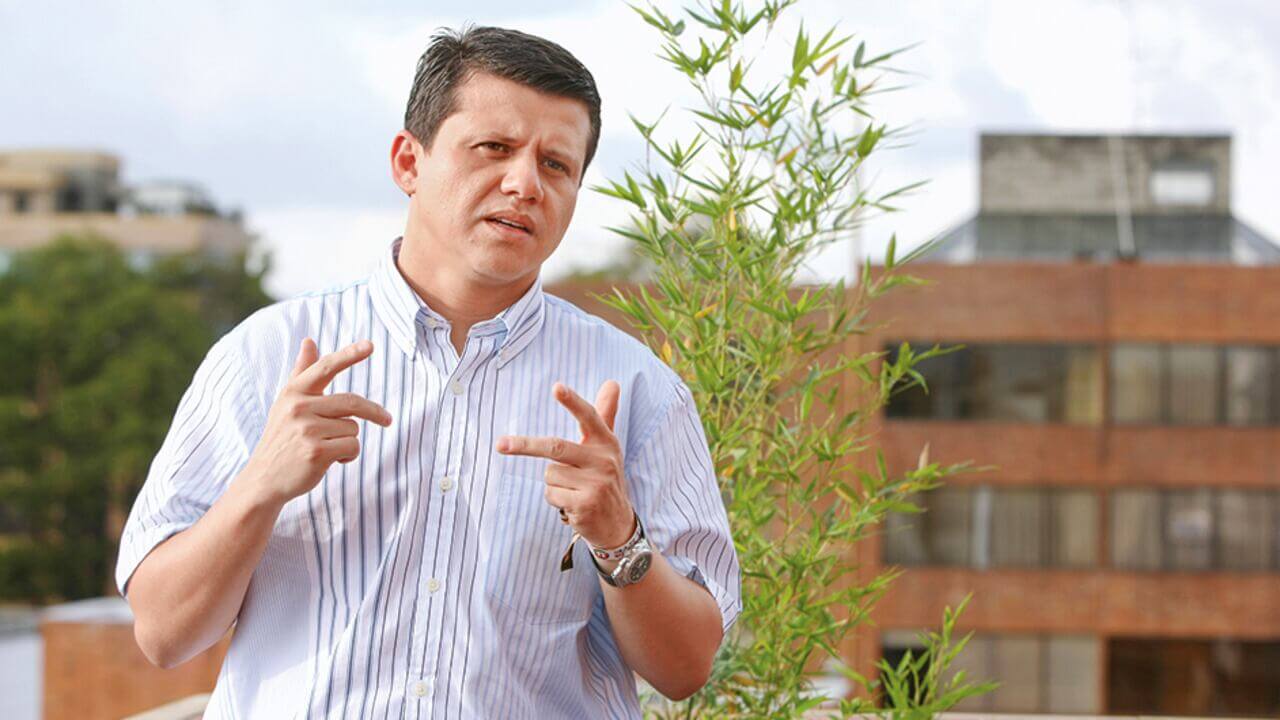
Otto Bula was a Liberal senator and a cattle rancher from Córdoba. He became Odebrecht’s key intermediary in Colombia for adding the Ocaña-Gamarra section to Ruta del Sol II. He then became the witness who made it possible to convict others. This piece does not follow his conviction, but his money. It reconstructs how much … Read more about Otto Bula: the trail of Odebrecht’s 4,500 million pesos, the farm the Comptroller rejected and the 687 assets prosecutors seized

Ñoño Elías: the trail of the 2 % of Ruta del Sol II, the 1,600 million pesos in bribes and the 13,600 million fine the Court imposed

Bernardo «Ñoño» Elías

Bernardo Miguel Elías Vidal, «el Ñoño», was a senator for the Partido de la U and the great vote-getter of Córdoba. He is one of the politicians with the most final convictions in this series: three, none overturned. However, this piece does not follow the sentences, but the money. It reconstructs what he charged Odebrecht … Read more about Ñoño Elías: the trail of the 2 % of Ruta del Sol II, the 1,600 million pesos in bribes and the 13,600 million fine the Court imposed

Susana Villarán: the trail of Odebrecht and OAS’s US$10 million, the US$11.29 million prosecutors say she laundered and the US$267 million of the tolls

Susana Villarán

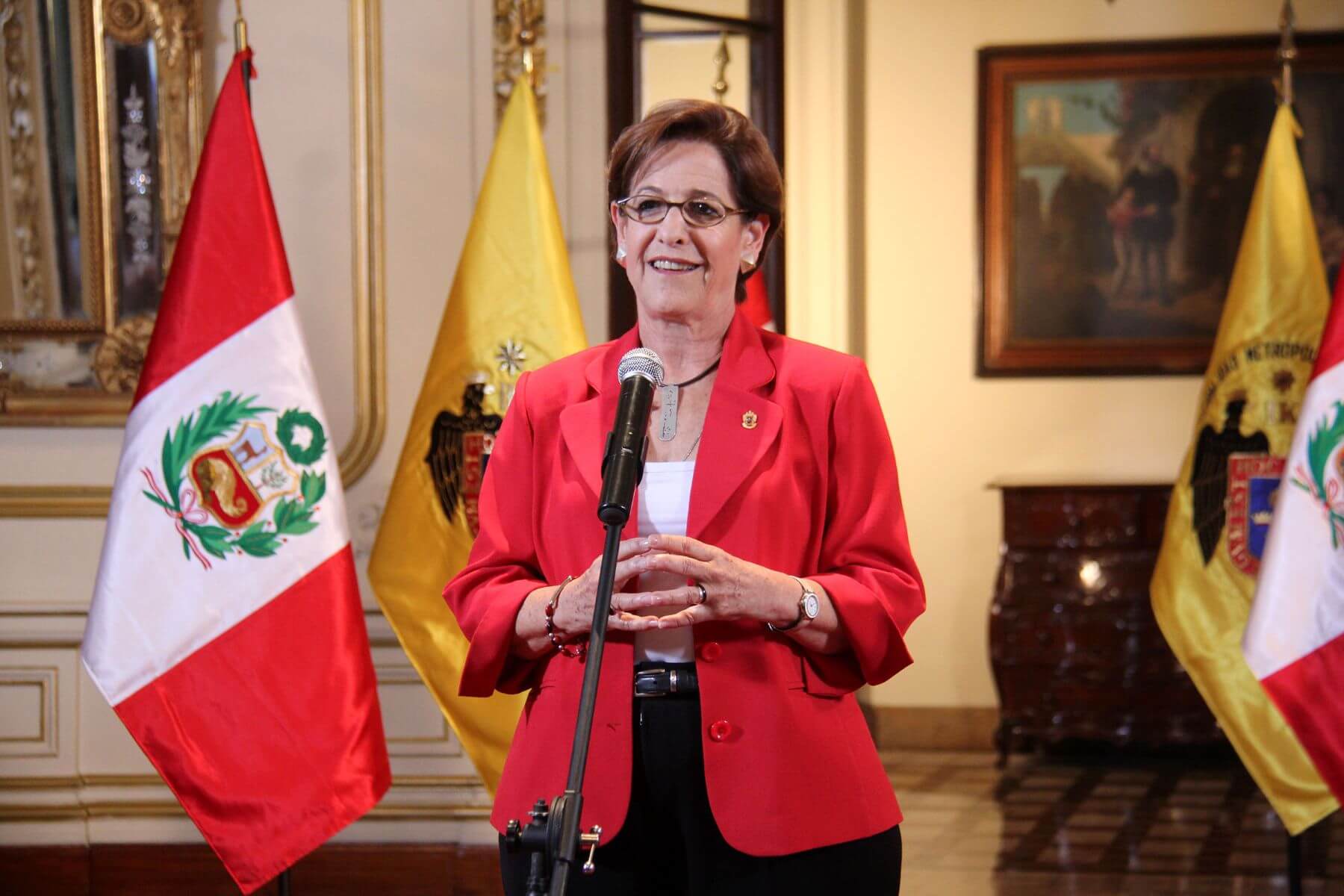
Susana Villarán was Mayor of Lima between 2011 and 2014. She is the only former mayor of the Peruvian capital prosecuted over the Odebrecht scandal. She is also the only defendant in this series who publicly admitted the money she received. This piece does not follow the hearings, but the flows. It reconstructs the US$10 … Read more about Susana Villarán: the trail of Odebrecht and OAS’s US$10 million, the US$11.29 million prosecutors say she laundered and the US$267 million of the tolls

Keiko Fujimori: the trail of Dionisio Romero’s US$3.65 million, Odebrecht’s million and the 67 % of campaign money nobody could account for

Keiko Fujimori

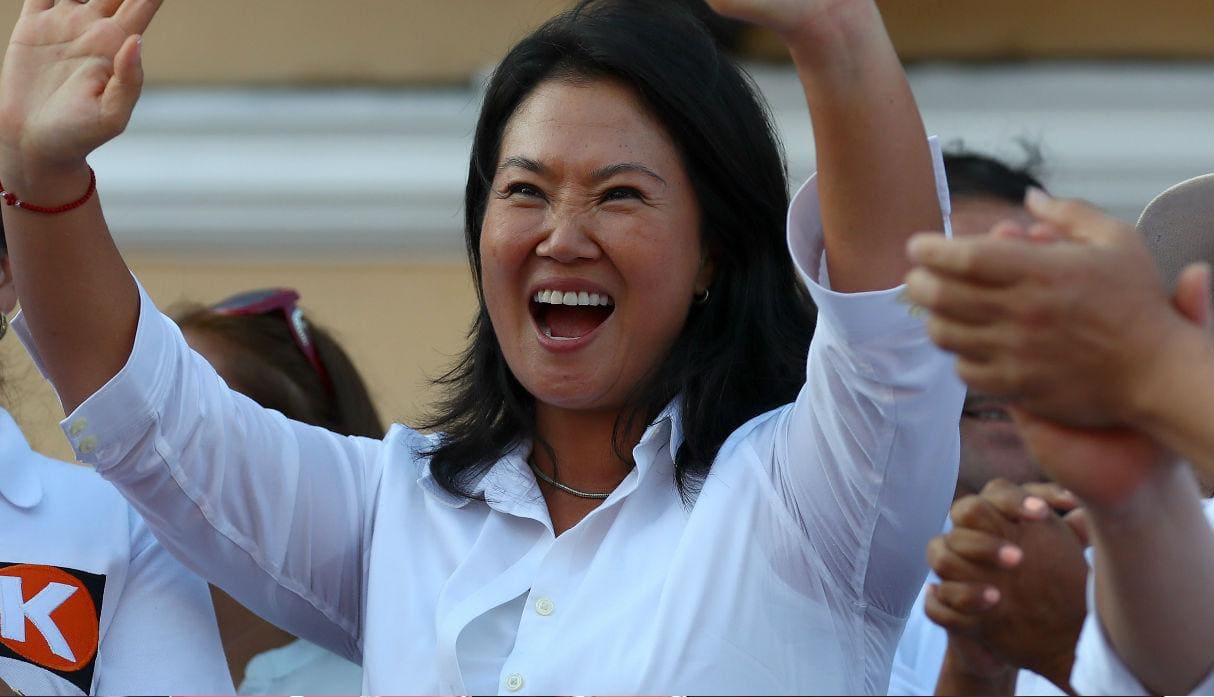
Keiko Fujimori took office as President of Peru on 28 July 2026. She arrives with the Cócteles case dismissed, but with three open investigations that the Constitution freezes while she governs. This piece does not follow the judicial decisions, but the money. It reconstructs how much entered her 2011 and 2016 campaigns and from where, … Read more about Keiko Fujimori: the trail of Dionisio Romero’s US$3.65 million, Odebrecht’s million and the 67 % of campaign money nobody could account for

The three stages of money laundering

Money laundering turns money of illicit origin into money that looks legitimate. International bodies such as the Financial Action Task Force (FATF) describe it in three stages:

StageWhat happensHow it appears in the cases
PlacementThe money enters the financial system.Split deposits, cash handed to third parties or campaign contributions.
LayeringThe money is moved to erase its origin.Transfers between offshore companies and accounts in several countries.
IntegrationThe money returns to the legal economy.Purchases of property, companies, jewellery or works of art.

The leaks that help follow the money

Two leaks coordinated by the International Consortium of Investigative Journalists (ICIJ) changed the way money is traced in Latin America. The Panama Papers, published in April 2016, revealed 11.5 million documents from the Mossack Fonseca law firm. Later, in October 2021, the Pandora Papers exposed 11.9 million documents from 14 offshore service providers.

An offshore company is not illegal in itself. However, when its owner is a public official who did not declare it, or when it receives funds from a government contractor, it becomes a lead that must be checked.

How we read the figures

Figures in corruption cases are easily confused. That is why every figure in this section states four things:

  • The currency: US dollars (US$) or local currency. In the Colombian profiles, for example, the $ sign refers to Colombian pesos.
  • The date: when the payment was made, not when the news broke.
  • The source: the judgment, indictment or report that supports it.
  • The scope: whether it is a proven figure, a figure sought by prosecutors or an estimate.

What the State can recover

MechanismWhat it isRequires a criminal conviction
Criminal forfeitureLoss of the assets linked to the crime, ordered in the judgment.Yes
Non-conviction-based forfeitureProceeding to claim assets of illicit origin.No
Civil damagesCompensation the convicted person must pay the State.Yes, in most cases
FineFinancial penalty imposed by a judge or an administrative body.Depends on the type of fine

For example, the Otto Bula money trail follows Odebrecht's 4,500 million Colombian pesos and the 687 assets pursued by prosecutors, and the Sérgio Cabral money trail tracks the US$100 million and the convictions that survive in 2026.

Money trails by country

Where to follow each case across the network

On this site, see also Companies under scrutiny and Cross-border justice.

Frequently asked questions

What is the difference between criminal forfeiture and non-conviction-based forfeiture?

Criminal forfeiture is ordered by a criminal judge in the judgment, so it requires a conviction. Non-conviction-based forfeiture is a separate proceeding that lets the State claim assets of illicit origin even if no one has been convicted.

Is owning an offshore company a crime?

No. An offshore company is legal in itself. It becomes a red flag when a public official does not declare it or when it receives money from government contractors.

What were the Pandora Papers?

They were a leak of 11.9 million documents from 14 offshore service providers, published in October 2021 by the International Consortium of Investigative Journalists. They revealed companies belonging to hundreds of politicians and public officials.

Why might a prosecutor's figure differ from the one in the judgment?

Because prosecutors seek what they believe they can prove, and the court only accepts as proven what the evidence establishes. That is why we always state whether a figure is proven, sought or estimated.

Last updated: November 19, 2026. Records in this section: 12.