What each measure means and what it does not
| Measure | Who applies it | What it means | What it does not mean |
|---|
| Section 7031(c) designation | United States State Department | A ban on entering the United States for significant corruption. | It is not a criminal conviction. |
| OFAC sanction (Global Magnitsky Act) | United States Treasury Department | Assets in the United States are blocked and dealings with the person are prohibited. | It is not a criminal conviction. |
| Conviction in a federal court | United States federal courts, for example in Miami | Guilt proven or admitted, usually for money laundering. | It does not close proceedings in the home country. |
| Interpol Red Notice | Interpol, at a country's request | A request to police worldwide to locate and provisionally arrest a person. | It is not an international arrest warrant or a conviction. |
| Extradition | The governments and courts of two countries | Surrender of the person to be tried or to serve a sentence. | It is not guaranteed until the requested country approves it. |
| Asylum | A State, on its territory or in its embassy | Protection from what that State considers political persecution. | It does not annul pending criminal cases. |
Why the United States tries Latin American cases
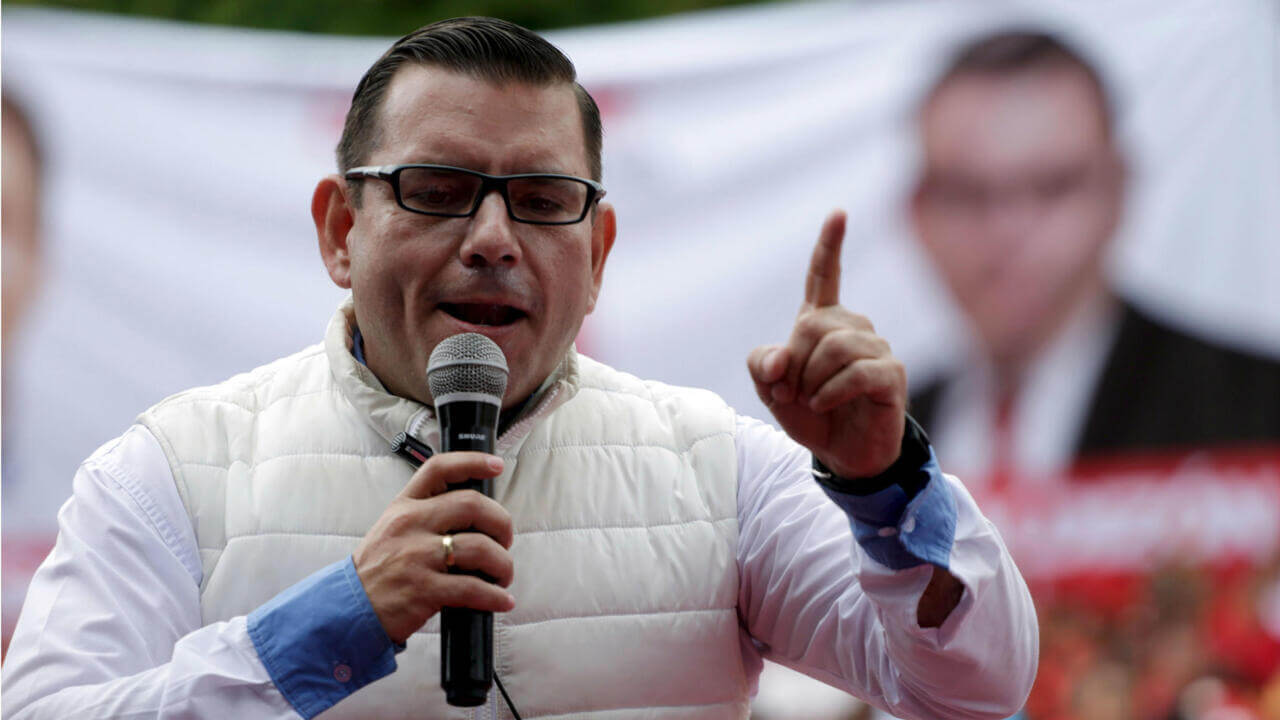
United States courts can act when bribe money passes through the US financial system or through a dollar account. That is why several former officials from the region were tried in Miami for money laundering while their home countries kept other cases open. For example, the profile of Manuel Baldizón compares the speed of the US case with six years without a trial in Guatemala, and the one on Carlos Pólit explains a US jury conviction that Ecuador has been unable to enforce.
Extraditions and asylum cases that marked the region
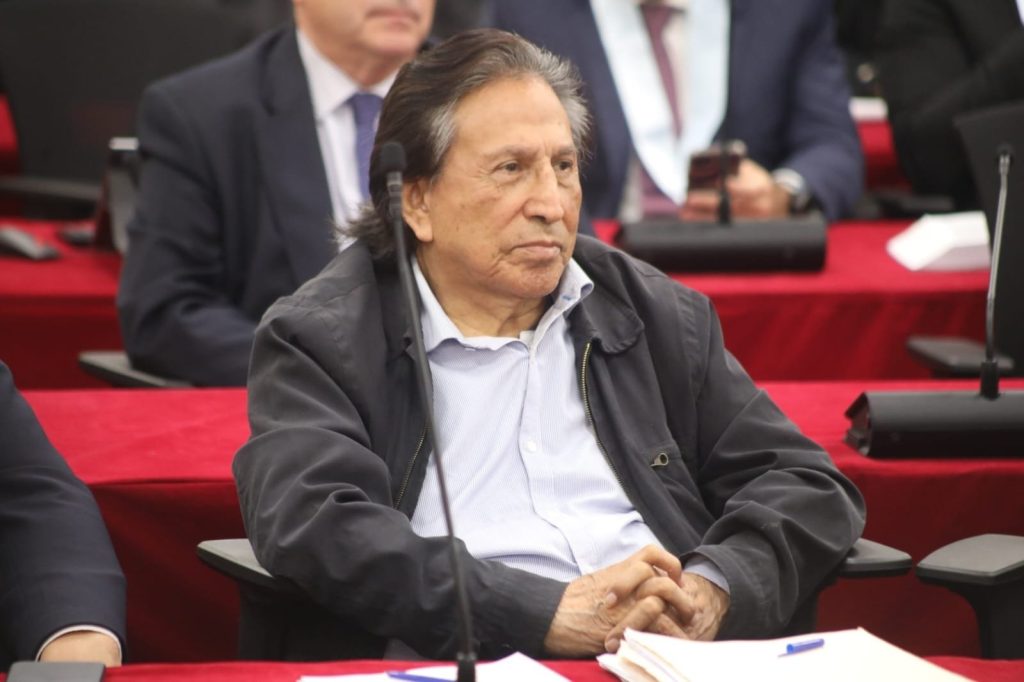
Extraditions can take years. The United States handed Alejandro Toledo over to Peru in April 2023, after a long process, as his cross-border justice profile explains.
Asylum cases also create conflicts between States. In April 2024, Ecuadorian police entered the Mexican embassy in Quito to arrest Jorge Glas, who had taken refuge there, and Mexico broke off diplomatic relations with Ecuador. The Jorge Glas profile follows the case all the way to the Inter-American Court of Human Rights.
Cases by country
Where to follow each case across the network
On this site, see also Money trail.
Frequently asked questions
Is an Interpol Red Notice an international arrest warrant?
No. It is a request to police in member countries to locate and provisionally arrest a person while their extradition is processed. Each country decides whether to act on it.
Why can a United States court try a Latin American politician?
Because the bribe money passed through the US financial system or through dollar accounts. In those cases, federal prosecutors can bring money laundering charges even if the bribe took place in another country.
Is a State Department sanction the same as a conviction?
No. Section 7031(c) designations and OFAC sanctions are administrative measures: they restrict entry into the United States or block assets, but they do not find anyone guilty of a crime.
Does asylum cancel criminal proceedings?
No. Asylum protects a person from what the granting State considers political persecution, but the criminal cases remain open in the home country.
Last updated: November 19, 2026. Records in this section: 10.