The four roles a company can play in a corruption case
A company can take part in a corruption case in very different ways. Telling them apart avoids blaming them all equally and shows who decided and who merely provided a service.
| Role | What it does | Typical example |
|---|
| Payer | Pays the bribe to obtain a contract or a decision. | A contractor paying in exchange for a public works project. |
| Channel | Moves the money between accounts and countries. | A bank or exchange house used for transfers. |
| Facilitator | Builds the legal structure that hides where the money came from or went. | A law firm setting up companies abroad. |
| Front | Fakes real activity to justify payments. | A consultancy with no employees that bills for services never provided. |
How a company answers to the courts
In many cases, companies negotiate before individuals do. In December 2016, Odebrecht signed agreements with the United States, Brazil and Switzerland, and in Brazil it reached a leniency agreement with the Federal Public Prosecutor's Office. Later, in February 2019, it signed a cooperation agreement with Peruvian prosecutors.
In addition, several countries now punish companies, not just their executives. Brazil passed its Anti-Corruption Law (Law 12,846) in 2013, which sanctions legal entities for acts against the public administration. Peru did the same in 2016 with Law 30424. In the United States, the Foreign Corrupt Practices Act allows these cases to be resolved through guilty pleas or deferred prosecution agreements.
What each company profile includes
- The related public contracts, with their amount and date.
- The payments attributed to the company, according to the indictment or the judgment.
- The agreements signed with the authorities and what the company admitted.
- The individuals involved and the status of each of their cases.
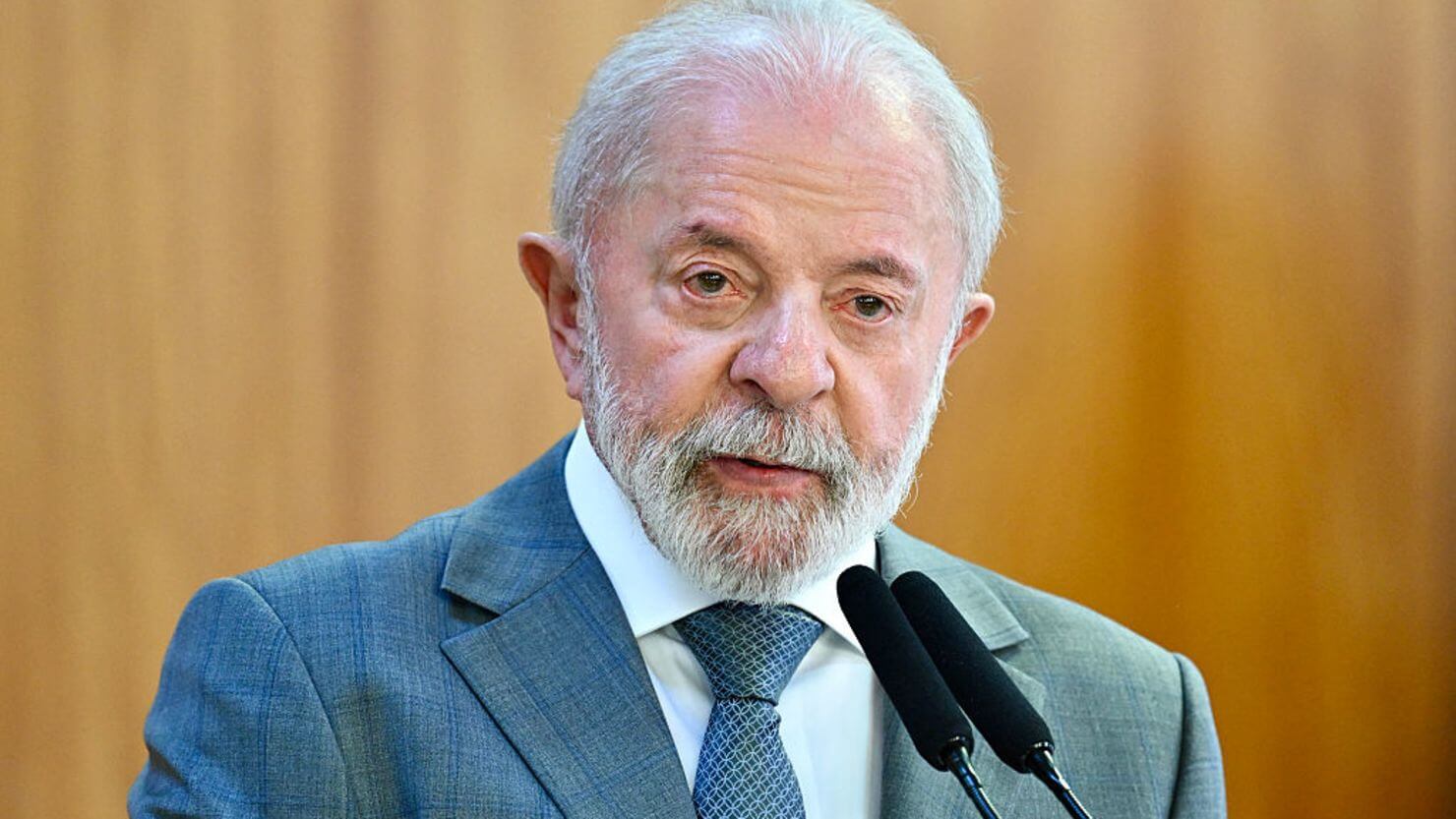
For example, the profile on Westfield Capital, First Capital and Pedro Pablo Kuczynski explains how two companies turned a former president into a money-laundering defendant, and the one on OAS, Odebrecht and Lula da Silva details why three cases ended annulled without an acquittal.
Companies by country
Where to follow each case across the network
On this site, follow each company's money in Money trail.
Frequently asked questions
Can a company be convicted of corruption?
Yes, in many countries. Brazil has sanctioned companies since its 2013 Anti-Corruption Law and Peru since Law 30424 of 2016. In the United States, the Foreign Corrupt Practices Act allows companies to plead guilty or to sign deferred prosecution agreements.
What is a leniency agreement?
It is an agreement in which a company admits facts, cooperates with the investigation and pays compensation in exchange for lighter sanctions. Odebrecht signed one with Brazil's Federal Public Prosecutor's Office in December 2016.
What is a front company?
It is a company that fakes real activity to justify payments or hide its owner. It often bills for services it does not provide or has no employees or offices of its own.
If the company signed an agreement, are its executives off the hook?
Not necessarily. The company's agreement does not close the individuals' cases. Each executive answers on their own, although many also sign individual cooperation agreements.
Last updated: November 19, 2026. Records in this section: 7.